Tracksuit or Loungewear Set? The Real Difference Isn't the Fabric — It's the Cut
Quick Answer: The core difference is cut, not fabric — tracksuits are patterned with a slightly tapered, structured fit designed to move with athletic activity, while loungewear sets are cut looser and boxier for comfort at rest, which is why the same fleece fabric can look sporty-sharp in one and shapeless in the other.
Both are often fleece or French terry. Both come as a matching top and bottom. The pattern underneath that fabric is doing all the actual work of telling them apart.
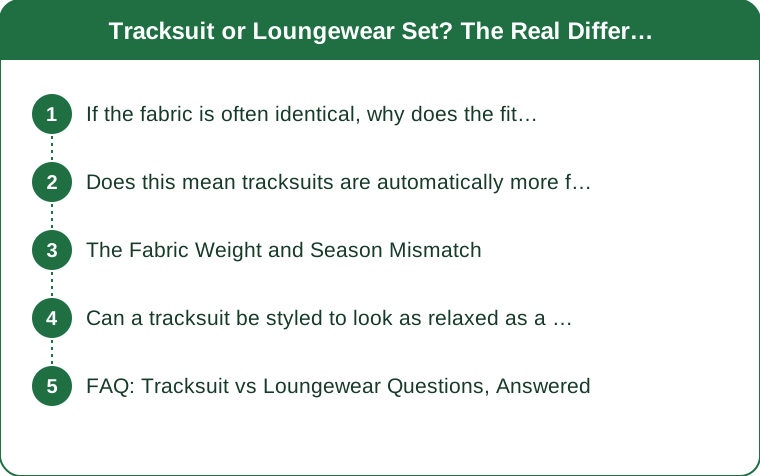
If the fabric is often identical, why does the fit feel so different?
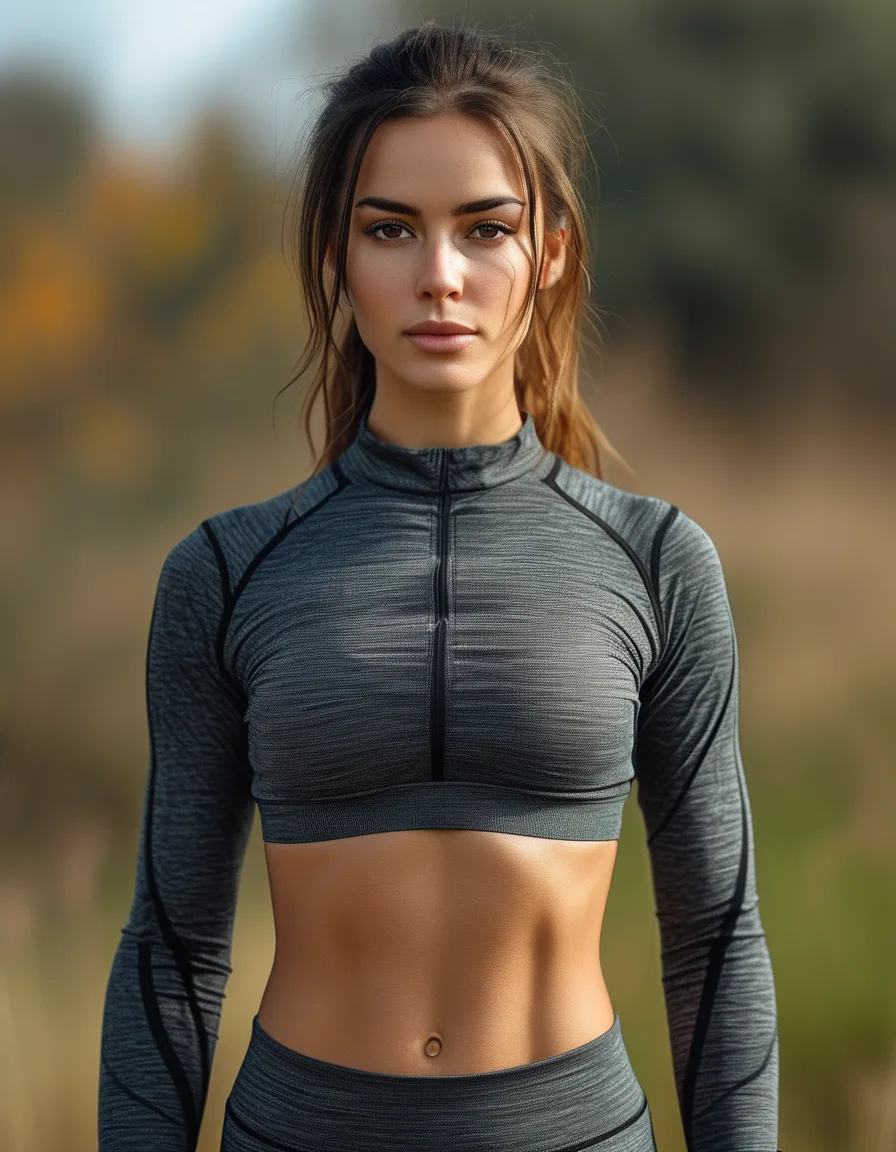
Pattern drafting, not fabric choice, determines silhouette. Tracksuits typically use a tapered leg and a slightly fitted or ribbed cuff and waistband, designed originally for unrestricted athletic movement without excess fabric flapping. Loungewear sets are drafted with more ease throughout — looser through the hip, thigh, and torso — prioritizing relaxed comfort over a fitted athletic silhouette.
Same fleece, genuinely different pattern block underneath it — which is why one reads ‘put together’ and the other reads ‘just rolled out of bed,’ even in identical fabric.
Does this mean tracksuits are automatically more flattering than loungewear sets?
Not automatically — it depends on the styling goal. Tracksuits tend to read more polished and public-appropriate due to their more structured cut, while loungewear sets prioritize maximum comfort for genuinely low-effort, at-home wear, which is exactly the point of that looser cut.
Neither is objectively better — a tracksuit’s structure can feel restrictive for pure lounging, while a loungewear set’s looseness can look sloppy if worn somewhere the tracksuit’s tailored silhouette would read better.

The Fabric Weight and Season Mismatch
A common mistake is choosing based on fabric weight alone without considering cut — a heavyweight fleece loungewear set can actually look bulkier and less flattering than a mid-weight tracksuit in the same fabric family, because the looser loungewear cut adds visual volume on top of the fabric’s own bulk, while the tracksuit’s tapering counteracts it.
For cooler weather where warmth matters, checking both fabric weight and cut together (rather than assuming heavier automatically means warmer-and-better) avoids ending up in something that reads bulky rather than cozy.
Can a tracksuit be styled to look as relaxed as a loungewear set, or vice versa?
Yes, with the right adjustments — sizing a tracksuit slightly looser and pairing with soft, worn-in sneakers pushes it toward a more relaxed feel, while a loungewear set styled with structured outerwear (like a fitted jacket layered over it) can pull it toward a more put-together look than its cut alone suggests.
Styling can shift the read somewhat in either direction, but the underlying pattern still sets the outer limits of how far that shift can go.
FAQ: Tracksuit vs Loungewear Questions, Answered
Is one style more versatile for running errands?
Tracksuits generally translate better to public, semi-dressed-up settings due to their more tailored cut and athletic-appropriate structure.
Do both styles typically use the same closures (zip vs. pullover)?
Both exist in either closure style; closure type is independent of the cut difference and comes down to individual product design.
Should I buy a size up in loungewear sets since they’re meant to be loose?
Most loungewear sets already build in generous ease at their listed size, so true-to-size is usually still correct — sizing up can push it toward looking oversized rather than intentionally relaxed.
TL;DR:
- The tracksuit-vs-loungewear difference is primarily cut and pattern, not fabric choice
- Tracksuits use a tapered, structured pattern; loungewear sets use a looser, boxier one
- Heavier fabric in a loose loungewear cut can look bulkier than mid-weight fabric in a tapered tracksuit
- Styling can shift the read somewhat, but the underlying pattern sets real limits
Next time they look interchangeable on a hanger, check the leg taper and cuff — that’s where the real difference (and the flattering factor) actually lives.
Keep Reading
This article is for general informational and styling purposes only. Fit, sizing, and product availability may vary.