Why One Tracksuit Fabric Weight Can't Actually Cover Three Seasons Despite the Marketing
A tracksuit marketed as good for ‘3-season wear’ usually means a compromise fabric weight that’s slightly too warm for mild weather and slightly too cold for actual cold weather, rather than a genuine solution that performs well across that whole range.

Why a Single Mid-Weight Tracksuit Compromises Comfort in Both Warm and Cold Conditions Rather Than Truly Working for Either
The compromise-fabric problem: the a-mid-weight-fabric-is-a-genuine-average-between-warm-and-cold-weather-needs-not-a-solution-for-both (the the fabric essentially splitting the difference rather than adapting to either condition specifically — the mid-weight-is-an-average-not-a-solution), the the-in-cold-conditions-that-average-weight-fabric-underperforms-compared-to-a-genuinely-heavier-option (the a compromise fabric leaving a real comfort gap in actual cold weather — the underperforms-in-cold-versus-heavier-option), the the-in-warm-conditions-that-same-average-weight-fabric-overheats-compared-to-a-genuinely-lighter-option (the the same fabric creating a different comfort gap at the other end of the temperature range — the overheats-in-warm-versus-lighter-option), and the reframe (a 3-season tracksuit being marketed as versatile while actually underperforming at both temperature extremes compared to a fabric weight chosen specifically for that condition).

The Specific Fabric Weight Ranges Suited to Different Temperature Bands
The actual ranges: the lightweight-fabric-suits-warm-weather-and-high-intensity-activity-where-breathability-matters-most (the a genuinely thin, breathable fabric being the right choice for heat rather than a compromise weight — the lightweight-for-warm-and-high-intensity), the the-midweight-fabric-genuinely-suits-a-narrower-mild-temperature-band-than-marketing-usually-suggests (the the actual comfortable range for a mid-weight piece being smaller than the 3-season claim implies — the midweight-suits-narrower-band-than-marketed), the the-heavyweight-fabric-suits-genuine-cold-weather-and-low-activity-outdoor-use-where-warmth-matters-most (the a real heavier option being necessary for actual cold rather than relying on layering alone — the heavyweight-for-genuine-cold-and-low-activity), and the frame (lightweight for warm and high intensity, midweight for a genuinely narrower mild band, and heavyweight for real cold — three distinct categories rather than one piece meant to span all of them)).
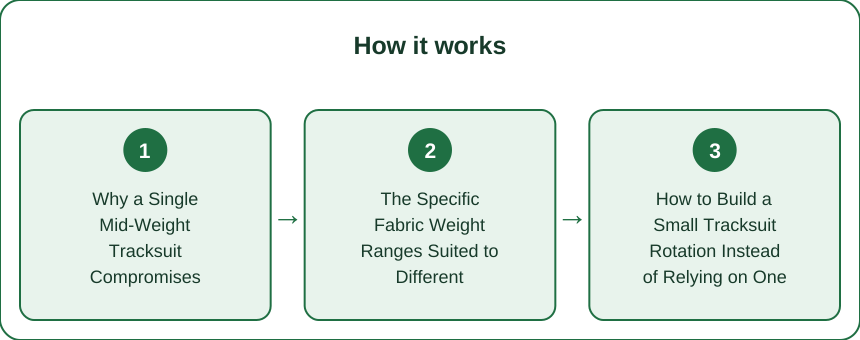
How to Build a Small Tracksuit Rotation Instead of Relying on One Do-Everything Piece
The practical rotation approach: the own-one-lightweight-and-one-heavyweight-piece-rather-than-a-single-midweight-compromise (the covering the actual temperature extremes directly rather than relying on an average that underperforms at both — the own-lightweight-and-heavyweight-not-just-midweight), the the-use-the-midweight-piece-specifically-for-its-narrower-genuinely-appropriate-mild-weather-window (the still keeping a midweight option, but with realistic expectations about when it actually performs best — the use-midweight-for-its-real-narrow-window), the the-layer-the-lightweight-piece-under-a-heavier-jacket-for-cold-conditions-rather-than-buying-a-separate-heavy-tracksuit-set (the a flexible layering option reducing the total number of pieces needed for genuine cold coverage — the layer-lightweight-under-jacket-for-cold-flexibility), and the frame (owning genuinely lightweight and heavyweight pieces, using midweight only for its real narrow window, and layering for flexibility — a small rotation that actually performs well across a real seasonal range instead of one compromise piece that underperforms at both ends).
A tracksuit marketed as good for three-season wear usually means a compromise fabric weight that underperforms at both ends of the temperature range rather than a genuine solution, since that mid-weight fabric is essentially an average between warm and cold weather needs rather than an adaptation to either — leaving it too warm for real heat and too cold for real cold compared to fabric chosen specifically for those conditions. The actual ranges worth owning are lightweight fabric for warm weather and high-intensity activity, midweight for a genuinely narrower mild-temperature band than most marketing suggests, and heavyweight for real cold and lower-activity outdoor use. Build a small rotation around that reality: own one genuinely lightweight and one genuinely heavyweight piece rather than relying on a single midweight compromise, use midweight specifically within its real narrow window, and layer the lightweight piece under a heavier jacket for cold conditions instead of buying a separate heavy set.
Keep Reading
This article is for general informational and styling purposes only. Fit, sizing, and product availability may vary.